



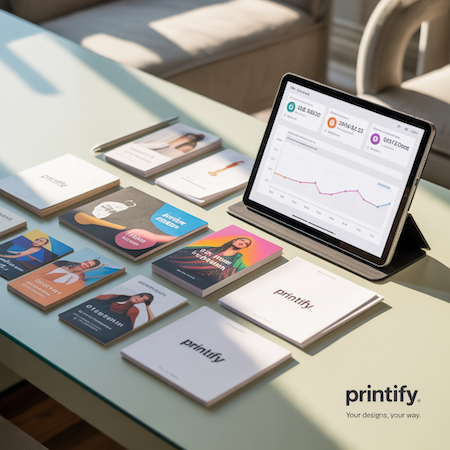

Personalized printing is one of the most effective marketing strategies to build a stronger relationship with your customers. By using personalization in your printed materials, you can capture the attention of your audience and significantly increase their engagement. Wondering how to do this? Learn 5 proven ways that will help you put personalized printing into practice and stand out in the market.
1. Personalized printing – customized marketing messages
The key to effective personalization is to target the message directly to a specific recipient. Personalized printing allows you to create materials that include a customer’s name, dedicated offers or information tailored to their previous purchases and interests.
For example, personalized flyers or catalogs can present products that perfectly match the customer’s preferences, which dramatically increases the chances of a purchase. This makes the message more appealing and engaging, and the customer feels that the brand really cares about them.
2. Unique invitations and acknowledgements
Printed materials, such as event invitations, thank you notes and greeting cards, gain more value when they are personalized. Personalized printing allows you to add unique elements to make your customer feel special and appreciated.
This type of material strengthens the emotional bond with the brand, builds positive associations and can effectively increase customer loyalty. Examples include personalized invitations to a new product launch or hand-signed thank-you notes for cooperation.
3. Personalized printing – limited series and product collections
Another way to use personalized printing is to create limited editions of products or materials with individual marking. Personalization makes it possible to realize such editions in short runs, allowing for flexibility in tailoring the offer to market needs and minimizing overproduction.
Limited collections with a unique number or dedication make customers feel part of an exclusive group, which increases their commitment and attachment to the brand. This solution works especially well in the fashion, event or premium brand marketing industries.
4. Integration of personalized printing with digital campaigns
Personalization in print can be effectively combined with online campaigns, greatly increasing the reach and effectiveness of marketing efforts. For example, personalized QR codes, unique links or discount codes placed on printed materials can direct customers to dedicated websites, landing pages or special offers.
Such a solution allows not only to increase the engagement of the audience, but also to easily track the effectiveness of the campaign and analyze the data, which gives the opportunity to optimize activities in real time.
5. Personalized printing – using data to optimize the message
Using customer data, companies can further tailor the content and design of printed materials. Personalization provides the opportunity to test different versions of messages and choose those that produce the best results.
Regular analysis of results and optimization of campaigns is the key to personalization’s success. This makes it possible to maximize return on investment (ROI) and increase marketing effectiveness, resulting in better sales results and building lasting relationships with customers.
Summary
Personalized printing is a powerful tool that helps increase customer engagement and build lasting relationships. Use the above ways to make your brand stand out and achieve better results from your marketing campaigns.
Want to learn more about personalization in print? Contact us – we’ll be happy to help you implement personalized printing in your business!