



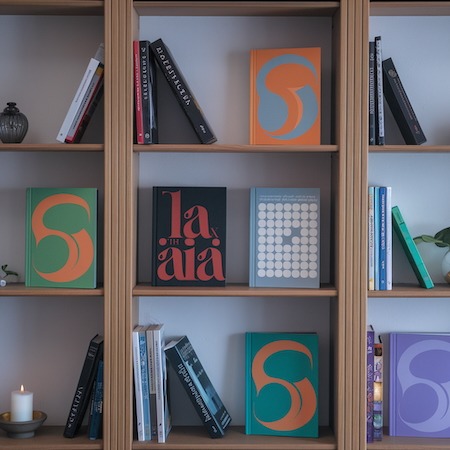

Book design is a process that requires attention to the smallest details. Every element – from the typography to the layout of the margins – affects how the reader will perceive your work. At the print shop, we know how important these details are, so we’ve put together a guide to four key aspects of book design. Want to learn what makes a well-designed book stand out? Read on!
1. Book design vs. typography, or the art of selecting fonts
Typography is the foundation of any book design. A poorly chosen font can make reading difficult and even discourage the reader. In designing a book, it is crucial to choose a font that is readable and aesthetically pleasing.
The most common fonts used are classic serif fonts, such as Times New Roman or Garamond. These fonts are easy to read and give the book a professional look. Also remember to avoid too much contrast between text size and titles – everything should look consistent.
Proper spacing between lines and letters is also important. Too little spacing will make it difficult to read, and too much will break up the continuity of the text. Book design is the art of balancing aesthetics with functionality.
2. Margins and page layout in book design – space matters
Margins are one of those elements that is often underestimated. However, they are crucial in book design. Margins that are too narrow make the text difficult to read, especially in the case of bonded books.
Standard margins for books are 2-2.5 cm on each side. It is also important to include a larger inner margin (called the spine margin), which prevents the text from “disappearing” into the binding.
The page layout should be clear and aesthetically pleasing. The division of the text into paragraphs, graphic inserts or tables should help in reading, not introduce chaos. Remember that designing a book means working to make the page visually friendly for the reader.
3. Book cover design – first impression matters
There is no denying that readers often judge books by their covers. Therefore, the cover design must be thoughtful and attractive. In book design, the cover is a business card that attracts attention and encourages purchase.
A good cover combines aesthetics with functionality. It must include a clear title, author’s name and graphics that convey the mood of the book. You should also pay attention to the choice of colors – they should be consistent with the content and pleasing to the eye.
Don’t forget about the spine of the book! This is the element that often catches the eye on the shelf in the bookstore. A well-designed spine will make the book look professional.
4. Print and paper quality – the final finish
All your efforts in designing a book may be in vain if you choose poor print or paper quality. The type of paper affects the impression a book makes in the hand, as well as the readability of the text.
For literary texts, paper with a slightly creamy tone is best, which is friendly to the eyes. On the other hand, books with lots of photos or graphics require chalky paper, which will emphasize the quality of the print.
The printer should ensure the highest quality of printing – from precise colors to perfect reproduction of details. If you have doubts, consult a printing company. We will advise you on what paper and printing technology to choose to make your book look perfect.
Summary
Book design is a process in which every detail counts. From font selection to page layout to cover design, everything affects the reader’s perception of your work. And don’t forget about the quality of the printing and paper, which give the book its final touch.
If you have plans to publish a book and the design seems too complicated for you, contact us. Our printing house will help you through the whole process and create a book that will impress any reader!